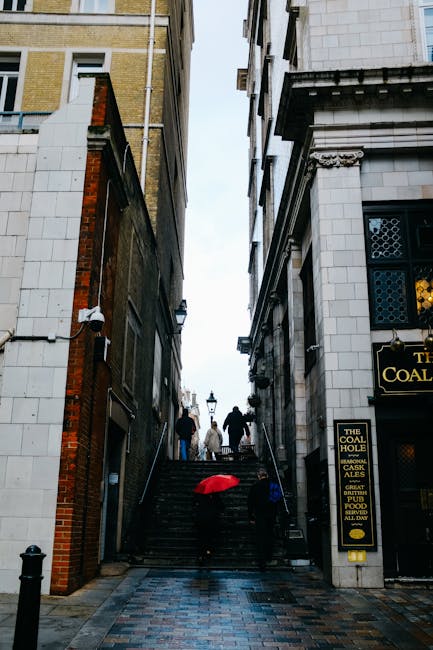
Pimlico narrow-street moves: stair & access solutions
If you have ever tried to move a sofa, wardrobe, or even a stack of boxes through a Pimlico staircase, you'll know the feeling: the hallway looks fine until the furniture reaches the landing, and suddenly everything becomes a puzzle. That is exactly where Pimlico narrow-street moves: stair & access solutions come in. The job is not just about lifting things; it is about planning the route, protecting the property, and choosing the right team, vehicle, and equipment for a place where access can be tight, parking can be awkward, and stairwells can be unforgiving. In a neighbourhood with mansion blocks, period conversions, and busy residential streets, the difference between a smooth move and a stressful one is often a few good decisions made early.
This guide breaks down what actually works in real life. You'll find practical steps, common mistakes, access tips, and a realistic look at how experienced removers handle narrow streets and stairs without turning your move into a small disaster. To be fair, that is usually what people need most: not theory, just a clear plan.
For a broader look at the services that sit around a move like this, you may also find removal services in Pimlico, flat removals in Pimlico, and the practical guidance on man and van Pimlico useful before you book.
Table of Contents
- Why Pimlico narrow-street moves: stair & access solutions Matters
- How Pimlico narrow-street moves: stair & access solutions Works
- Key Benefits and Practical Advantages
- Who This Is For and When It Makes Sense
- Step-by-Step Guidance
- Expert Tips for Better Results
- Common Mistakes to Avoid
- Tools, Resources and Recommendations
- Law, Compliance, Standards, or Best Practice
- Options, Methods, or Comparison Table
- Case Study or Real-World Example
- Practical Checklist
- Conclusion
- Frequently Asked Questions
Why Pimlico narrow-street moves: stair & access solutions Matters
Pimlico is beautiful, but let's face it, beauty and easy access do not always travel together. Many homes and commercial premises sit on streets where parking is limited, pavements are busy, and entry routes can be narrow or interrupted by steps, railings, basement drops, or shared hallways. That matters because removals are rarely only about distance. They are about how an item gets from one doorway to another without damage, delays, or unnecessary strain.
In narrow-street moving, the access plan is part of the move itself. If the van cannot stop close enough, the team may need more carrying distance. If the staircase is steep or has a sharp turn, bulky furniture may need to be dismantled. If the building has a lift, it may still be too small for a mattress, piano, or tall cabinet. A move that looks straightforward on paper can become tricky the minute you stand at the bottom of a stairwell and realise the banister says "no" to everything.
That is why access solutions are not a luxury. They are a practical safeguard. They help reduce the risk of scratched walls, chipped corners, strained backs, and that horrible slow-motion moment when two people are stuck on a landing with a wardrobe that definitely should have been measured first. The best movers in central London plan around these issues before moving day, not after.
If you want a sense of the local moving landscape, the pages on removal companies in Pimlico and whether Pimlico is a suitable place to live can help you understand the area and the type of housing challenges people regularly face.
How Pimlico narrow-street moves: stair & access solutions Works
The process usually starts with access assessment. That sounds formal, but in practice it means a careful look at where the van can park, how far items must be carried, how many flights of stairs are involved, whether there is a lift, and whether larger items can turn safely at corners or landings. A good mover will ask about the building, not just the inventory.
From there, the method is matched to the property. For example:
- Short carry, easy stairs: standard lifting, protective wrapping, and direct loading may be enough.
- Tight staircase with corners: items may need to be angled, padded, or partially dismantled.
- Narrow street with limited waiting space: loading windows are planned carefully, and the van may be positioned to reduce carrying distance.
- Bulky or fragile items: specialist handling, additional helpers, or furniture protection may be needed.
In many Pimlico buildings, success comes down to sequencing. The team might carry the heaviest items first while everyone is fresh, then shift to boxes and lighter pieces once the most awkward parts are done. That sounds obvious, but it makes a real difference when your staircase is steep and your corridor is barely wide enough for one person to pass another. There's no glamour in it. Just less stress.
The best setup also includes communication. Someone needs to know which items are going upstairs, which are going down, what should be wrapped, and what should never be dragged. If you are arranging a move that needs more than a simple lift-and-load, the service overview on services overview and the more specific man with a van service pages are a sensible place to compare what is available.
Key Benefits and Practical Advantages
The obvious benefit is that the move gets done. But the deeper value is in how it gets done. Access-aware removals protect the property, reduce the physical load on the team, and save you from unexpected delays. In a city setting, those three things matter a lot.
Here are the main advantages:
- Fewer delays: a van positioned badly can add half an hour of unnecessary carrying. Planning avoids that.
- Less damage: stair corners, skirting boards, and narrow door frames are common contact points.
- Better handling of bulky items: sofas, wardrobes, and white goods can be moved more safely with the right approach.
- Lower physical strain: good lifting practice and sensible load planning reduce the risk of injury.
- More predictable timing: when access is assessed properly, the move estimate is usually more realistic.
There is also a quiet psychological benefit. When the team clearly understands the building layout, everybody relaxes a bit. You stop worrying about the banister, the neighbour's parked car, or whether your bookcase is going to fit through the front door. That calm matters more than people expect. Moving day is busy enough already.
For larger or heavier household pieces, it can help to read the dedicated furniture removals Pimlico page, and if you are dealing with anything unusually delicate or heavy, piano removals Pimlico shows how specialist handling fits into a wider move plan.
| Access challenge | Typical risk | Best-practice solution |
|---|---|---|
| Narrow staircase | Scrapes, trapped items, slow progress | Dismantle where possible; use padding and a two-person carry |
| Limited street parking | Long carry distance, time loss | Plan the van stop carefully and load in the right order |
| High-floor flat | Fatigue, slower moving pace | Schedule extra help and protect stair edges |
| Bulky furniture | Damage to item or building | Measure, wrap, and dismantle before attempting the route |
Who This Is For and When It Makes Sense
This approach is especially useful if you are moving in or out of a period flat, a top-floor apartment, a basement property with awkward steps, or a building with shared access. It also makes sense for students, renters, homeowners, office tenants, and anyone moving bulky items in a district where kerb space is at a premium.
It is not just for major house moves, either. A one-bedroom flat shift can be more awkward than a larger move if the staircase is tight and the building entrance is awkward. Smaller jobs can sometimes be the trickiest, truth be told, because people assume they'll be quick. Then the sofa gets halfway around the turn and everybody suddenly needs a breather.
You may need this kind of planning if:
- your property is on a street with limited stopping space;
- your flat has stairs but no practical lift access;
- you own oversized or fragile items;
- you are moving during a busy traffic window;
- you want to avoid damage to a rental property;
- you are coordinating a same-day or short-notice move.
For some readers, the move also sits inside a broader life change. If you are exploring the local market, these guides on navigating the Pimlico property market and buying property in Pimlico offer useful local context. Sometimes the building you buy or rent is the real reason a careful access plan becomes essential.
Step-by-Step Guidance
Good moving work looks simple from the outside because the planning has already been done. Here is the practical sequence that tends to work best.
- Survey the access points. Check the front door, communal hall, stair width, landing turns, lift size, and any outside steps or gates.
- Measure the difficult items. Don't guess. Measure sofas, beds, wardrobes, desks, mirrors, and appliances.
- Identify what needs dismantling. A wardrobe with removable doors may become easy; without them, it may become a problem.
- Check street constraints. Think about parking, loading space, and the time of day. A quiet street at 8am can feel very different from one at school-run time.
- Prepare protection materials. Furniture covers, blankets, corner protectors, tape, and floor runners are worth having ready.
- Set the load order. Heavy, awkward items first; boxes and lighter loads after. That sequence usually works best.
- Keep routes clear. Remove loose rugs, shoes, bins, and anything else that becomes a trip hazard.
- Brief everyone before lifting starts. One clear plan prevents lots of low-level chaos later.
A very ordinary example: a two-bed flat in a Pimlico terrace with a tight hallway and one sharp landing turn. If the bed frame is dismantled the night before and the mattress is protected, the move becomes far less stressful. Leave the dismantling until arrival, and you may waste precious time while the van is waiting. Not ideal.
If you need a quicker turnaround, the page on same-day removals Pimlico can be helpful, while pricing and quotes gives a sense of how timing, access, and job size can affect the overall plan.
Expert Tips for Better Results
Experienced removers tend to look at access before anything else. That is not because they are fussy. It is because access drives almost everything else. Here are a few field-tested habits that make a real difference.
- Do the staircase test. If it cannot turn comfortably by hand, it probably will not enjoy being carried upright.
- Protect first, move second. A few extra minutes wrapping corners can save a lot of regret later.
- Leave breathing room on the van. Tight loading looks tidy but can make unpacking and protection harder.
- Keep a small tools kit handy. Allen keys, screwdrivers, tape, and labels are surprisingly useful.
- Use labels that actually mean something. "Kitchen - fragile" is better than "box 14", every time.
- Watch the weather. Wet steps and slippery pavements change the pace of a move more than people expect.
Another useful tip: be realistic about the building. Period homes and converted flats often have character, but character can also mean odd angles, thinner bannisters, and staircases that seem to have been drawn by someone with a grudge. Funny, but only after the move.
If your move involves a larger vehicle choice, you may want to compare the practical notes on removal van Pimlico and man and a van Pimlico. Vehicle size is not just a cost issue; it can influence how easily loading and unloading happen in a narrow street.
Common Mistakes to Avoid
The biggest mistakes are usually the simplest ones. They do not sound dramatic, but they cause most of the stress.
- Not measuring furniture properly. A few centimetres can decide whether an item passes or jams.
- Assuming the van can park anywhere. In Pimlico, that is rarely safe to assume.
- Forgetting communal access rules. Some buildings have strict expectations about lifts, timings, and protecting shared areas.
- Leaving dismantling too late. The clock matters more on moving day than people like to admit.
- Using the wrong carrying method. One awkward lift can lead to damage or injury.
- Ignoring fragile points. Glass, mirrors, and polished wood need extra care around stair edges.
One common pattern is overconfidence. "It'll fit" is a phrase that has caused an impressive amount of trouble in removals. Usually spoken just before someone rotates a sofa and discovers the hallway has other ideas. There's no shame in stopping and reassessing. In fact, that is often the professional move.
Another mistake is choosing a service based only on headline price. Rates matter, of course, but access-heavy jobs often need more than the cheapest option can comfortably provide. For a clearer idea of how pricing can be structured, man with van rates is a practical page to review before you book.
Tools, Resources and Recommendations
You do not need specialist kit for every move, but the right tools make access problems much easier to manage. The most useful items are often the boring ones.
- Furniture blankets and wraps: protect edges and reduce scuffs.
- Webbing straps: help keep heavier items steady during carries.
- Cardboard edge protectors: useful for tables, wardrobes, and doors.
- Tape and labels: keep dismantled parts grouped properly.
- Floor protection: helpful in rental properties or shared hallways.
- Basic hand tools: for beds, shelves, and modular furniture.
There are also a few service pages worth keeping in mind if you are planning a move with more moving parts than usual. The wider removals Pimlico page can help you understand the overall service range, while house removals Pimlico is useful if your move involves a full property rather than a simple flat transfer.
For customers who want a single point of contact and a clearer view of the available options, the main services we provide page is a good place to start. And if you are still deciding whether professional help is the right fit, contact the team here to ask about your specific access issue rather than guessing.
Law, Compliance, Standards, or Best Practice
For moves involving stairs, narrow access, and manual handling, the main concern is usually safety and good practice rather than complicated regulation. In the UK, removal work is expected to follow sensible manual handling, safe loading, and property-protection standards. That means planning the lift, reducing avoidable risk, and not asking people to carry something in a way that is clearly unsafe.
Where relevant, movers should consider:
- safe lifting and team coordination;
- clear walkways and reduced trip hazards;
- care around communal areas and shared entrances;
- protecting walls, floors, and railings;
- appropriate insurance and communication if damage occurs;
- reasonable handling of customer property and privacy.
It is also sensible to check the company's own standards before booking. Pages such as health and safety policy, insurance and safety, and accessibility statement can give you a better feel for how the business approaches risk, access, and customer support. That kind of transparency matters, especially when your staircase is doing half the talking.
If a move also involves sustainability considerations, the recycling and sustainability page is worth a look for the company's wider disposal and reuse approach.
Options, Methods, or Comparison Table
There is no single best method for every narrow-street move. The right option depends on access, item size, timing, and budget. Here's a straightforward comparison.
| Method | Best for | Strengths | Limitations |
|---|---|---|---|
| Man and van | Smaller moves, quick access jobs | Flexible, efficient, often good for tight streets | May not suit very large or complex moves |
| Full removals service | Multi-room or higher-volume moves | More hands, broader planning, better for heavy items | Usually more costly than a simple van booking |
| Specialist item move | Pianos, antiques, fragile or oversized items | More careful handling and tailored equipment | Needs more preparation and access detail |
| Storage-first approach | Moves with timing gaps or property delays | Reduces pressure when dates do not line up neatly | Adds another step and additional planning |
For many Pimlico moves, a man with a van service is the sweet spot because it balances flexibility and cost. For larger household relocations, though, a broader house removals approach may make far more sense. The right answer depends on what you own, where you live, and how awkward the route really is. Sometimes the simple option is the smart one. Sometimes it isn't.
Case Study or Real-World Example
Imagine a third-floor flat in Pimlico with a narrow shared staircase, no lift large enough for furniture, and a van that cannot park directly outside for long. A customer needs to move a bed frame, a sofa, a dining table, and several boxes. Nothing extraordinary. Yet the access makes the job more involved than the inventory suggests.
The sensible approach would be to measure the sofa and bed frame in advance, dismantle the bed the day before, protect the staircase edges, and load the van in a sequence that reduces carrying back and forth. The sofa would be assessed before movement to decide whether it can turn on the landing or whether the feet and arms need removing first. Boxes would be stacked only after the heavier items are secured, not before.
In a job like this, the difference is not just speed. It is confidence. The team knows the route. The customer knows what to expect. The building stays intact. And the move feels, well, manageable. Which is honestly what most people want on moving day. The kettle can wait.
This kind of scenario is common around compact London homes, including the streets near the Tate Britain area and the more residential pockets covered in the Lillington Gardens moving guide. The housing stock varies, but the access challenge often feels familiar.
Practical Checklist
Use this checklist before moving day. It will save you time, and probably a bit of stress too.
- Measure all large furniture and note any awkward shapes.
- Check stair width, landing turns, and door clearances.
- Confirm whether the van can stop close to the entrance.
- Tell the mover about lifts, basement steps, or shared entrances.
- Decide what needs dismantling in advance.
- Pack fragile items separately and label them clearly.
- Protect floors, walls, and corners where needed.
- Keep pathways clear inside the property.
- Prepare keys, contact details, and building access instructions.
- Ask about insurance, timing, and any potential access surcharge if relevant.
Expert summary: The smoother a narrow-street move feels, the more likely it is that the access was planned properly. Good planning is not flashy, but it is what keeps Pimlico moves calm, safe, and far less tiring for everyone involved.
Get a free quote today and see how much you can save.
Conclusion
Pimlico narrow-street moves are manageable when stair access, street layout, and item size are treated as core planning factors rather than afterthoughts. The trick is simple enough: measure properly, protect the building, choose the right service level, and make the route work before the first box moves. Once those things are in place, even a tricky staircase feels less like an obstacle and more like part of the job.
If you are comparing services, looking at pricing, or trying to judge whether a man and van setup is enough, the safest next step is to ask specific questions about your property and your items. That way you are not guessing, and you are not hoping the wardrobe behaves itself on the landing. It rarely does.
With the right preparation, a narrow-street move in Pimlico can feel orderly, careful, and surprisingly straightforward. And honestly, that calm finish is worth a lot.
Frequently Asked Questions
What are stair and access solutions in a Pimlico move?
They are the practical methods used to get furniture and boxes in and out of properties with tight stairs, narrow entrances, limited parking, or awkward turns. In Pimlico, that usually means planning the route, protecting the property, and choosing the right vehicle or lifting method.
Do I need a specialist mover for a narrow staircase?
Not always, but it helps if the staircase is tight, the furniture is large, or the building has unusual access. A standard service may be enough for lighter loads, while larger or more delicate items may need a more tailored approach.
How do movers handle bulky furniture in small hallways?
They usually measure carefully, remove parts where possible, and use a two-person carry with protective wrapping. Sometimes a piece needs to be turned on its side or dismantled before it can safely pass through the hallway or landing.
Is parking a big issue for Pimlico removals?
Yes, it can be. Narrow streets and limited stopping space can affect loading time and carrying distance, so planning where the van will stop is a big part of a smooth move.
Should I dismantle furniture before moving day?
If you already know an item is awkward, yes, it is usually worth doing in advance. Bed frames, wardrobes, and modular furniture often move more safely and quickly once partially dismantled.
How do I know whether my sofa will fit through the stairs?
Measure the sofa at its widest and tallest points, then compare that with the stair width, landings, and turns. If it looks borderline on paper, it is wise to ask the mover to assess it before the move.
Can a man and van service handle access-heavy jobs?
Often yes, especially for smaller or medium moves. The key is to be upfront about the stairs, street access, and item sizes so the right vehicle and amount of help can be arranged.
What should I ask before booking a removal company?
Ask about access planning, insurance, timing, parking assumptions, item protection, and whether dismantling is included or supported. A good provider will welcome those questions rather than brush past them.
Are there extra costs for difficult access?
Sometimes there can be, depending on the service, the amount of carrying involved, or whether extra labour is needed. The best approach is to describe the property accurately so the quote reflects the real job.
What items usually cause the most trouble on stairs?
Sofas, wardrobes, mattresses, large desks, and pianos are the usual suspects. They are heavy, awkward, or both, and stair corners rarely improve the situation.
How early should I book for a narrow-street move?
As early as you can, especially if the move is time-sensitive or involves access issues. Early booking gives the team time to ask the right questions and plan properly, which usually makes the day itself much easier.
What if I only need help with one or two heavy items?
That still counts as a real access challenge if the staircase is tight or the route is awkward. A smaller job can be surprisingly tricky, so it is worth explaining the details rather than assuming it is too minor to mention.