Pimlico removals vs DIY van hire: which saves money?
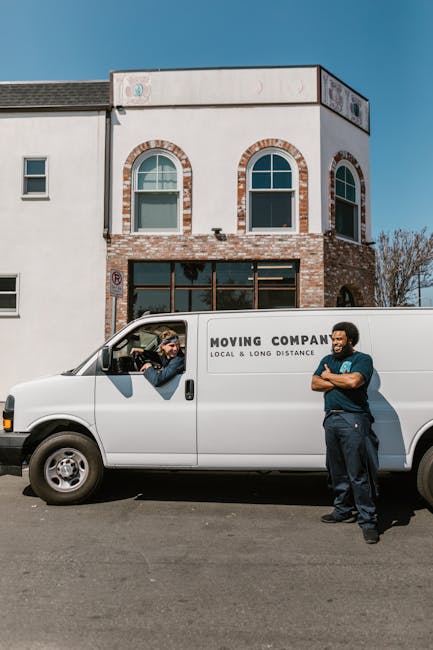
If you are weighing up Pimlico removals vs DIY van hire: which saves money?, you are probably trying to solve the same problem everyone in London eventually hits: how do you move without spending more than you need to? At first glance, hiring a van yourself looks cheaper. But once you add fuel, insurance, congestion, parking stress, time off work, and the chance of damage, the picture changes fast. In Pimlico, where streets can be tight and parking is rarely generous, the real answer is a bit more nuanced than a simple yes or no.
This guide breaks down the true costs, the hidden costs, and the situations where professional help can actually work out better value. We will look at how both options work, who each suits, what people often forget to budget for, and how to make a decision that is sensible rather than guesswork. To be fair, moving day is stressful enough without a surprise bill at the end.
Why Pimlico removals vs DIY van hire: which saves money? Matters
The money question matters because moving costs are rarely just about the headline price. A DIY van hire quote may look low, but it usually covers only the vehicle for a set period. What it does not include can be the real budget-breaker: fuel, mileage, insurance excess, parking, congestion-related charges, packing materials, extra journeys, and your own time.
Professional removals services cost more upfront, but they often bundle in experience, loading efficiency, and fewer mistakes. In a place like Pimlico, that can matter more than people expect. Narrow residential roads, shared entrances, and tricky lifting jobs can turn a "cheap" van hire into a long, frustrating day. And let's face it, every extra trip across London feels longer once you are already exhausted.
The key thing is this: the cheapest option on paper is not always the cheapest option in reality. If you are moving a studio flat with a few boxes, DIY might work beautifully. If you are moving a two-bedroom flat with awkward furniture, time pressure, and a tight parking window, the maths can swing the other way.
That is why people comparing Pimlico removals with van hire need to look beyond headline price. You are really comparing total cost, total effort, and total risk. Money saved on the booking can disappear quickly if the move takes longer than expected or something gets damaged on the stairs.
How Pimlico removals vs DIY van hire: which saves money? Works
The basic difference is simple. With DIY van hire, you book the van, do the lifting, organise the loading, drive the vehicle, and return it on time. With a removals service, a team handles the heavier work and usually manages the transport side as well. You pay for labour, planning, and speed.
Here is how the cost comparison usually plays out in practice:
- DIY van hire usually includes a daily or hourly vehicle fee, plus fuel and insurance extras.
- Professional removals usually include labour, the vehicle, and the benefit of faster loading and unloading.
- Extra complexity such as stairs, no lift access, bulky furniture, or waiting time can make DIY much less attractive.
- Missed costs like cleaning fees, parking penalties, and damaged items can quietly change the final total.
If you are moving from a flat in Pimlico to another part of London, traffic can make even a short journey unpredictable. A van sitting in slow-moving traffic is not only inconvenient; it can also be an expensive clock-tick if you have hired by the hour. That is one reason a well-planned moving team can sometimes be better value, even if the upfront price is higher.
A useful way to think about it is this: DIY van hire trades cash for labour, while removals trade cash for convenience, speed, and fewer moving-day surprises. Neither is universally right. The best option depends on volume, access, timing, and how much physical work you want to take on yourself.
Key Benefits and Practical Advantages
Both routes have clear strengths. The trick is being honest about what you are buying.
Why DIY van hire appeals
- Lower visible price at the point of booking.
- More control over schedule if you are flexible.
- Good for smaller loads like a few boxes, a mattress, or light furniture.
- Can suit confident drivers who are comfortable with larger vehicles in city traffic.
Why professional removals often save value, not just time
- Less lifting reduces the chance of injury and damaged belongings.
- Faster load times mean fewer hours lost on moving day.
- Better handling of awkward items such as wardrobes, sofas, or a piano.
- Less stress when access is tight or parking is awkward.
There is also a very human advantage that does not show up on the invoice. A good moving crew can keep the whole day calmer. You will notice it in the little things: boxes stacked properly, doors protected, someone thinking ahead about the lift, the route, the van position. Those tiny details stop a move from becoming a scramble.
If you are moving from Pimlico to a new flat after work, for example, you may not want to spend the evening wrestling with a hired van, then returning it before closing time, then still unpacking at midnight. Sometimes the "cheaper" option costs you your whole day. Not ideal, really.
Who This Is For and When It Makes Sense
This choice is not the same for everyone. The best option depends on the size of the move, the level of help you have, and your tolerance for hassle.
DIY van hire makes sense if:
- You are moving a small load.
- You have a couple of strong helpers.
- You are confident loading safely and driving a van.
- You have plenty of time and a flexible schedule.
Professional removals make sense if:
- You are moving a full flat or house.
- You have heavy, fragile, or awkward items.
- You are short on time.
- You do not want to juggle driving, lifting, and logistics all at once.
In Pimlico, it is also worth thinking about access. Basements, top-floor flats, shared stairwells, and limited waiting space can all slow a move down. If your building has awkward access, DIY can become more effort than it is worth. And if you have ever tried to carry a sofa through a narrow hallway, you already know the mood shift that can happen in about 30 seconds.
Students, renters in small flats, and people shifting a few items into storage may lean toward van hire. Families, professionals with packed schedules, and anyone moving valuable furniture often find removals better value overall. Truth be told, the right answer is usually obvious once you list the objects you need to move rather than just the address.
Step-by-Step Guidance
If you want to compare the two options properly, do it in steps. This is where many people go wrong. They compare a van quote to a removals quote and stop there. That is not the full picture.
- List everything you are moving. Include boxes, furniture, white goods, plants, and awkward items hiding in cupboards.
- Check access at both properties. Note stairs, lifts, parking, and whether a van can stop close enough.
- Estimate time realistically. Packing, loading, driving, unloading, and hand-back time all matter.
- Add up DIY costs. Van hire, fuel, insurance, parking, ULEZ or other local charges if applicable, equipment hire, and takeaway food or coffee because, yes, that happens.
- Add up removals costs. Ask what is included, whether packing help is available, and if there are charges for stairs, waiting, or heavy items.
- Compare risk. Ask yourself which option makes damage, delays, or injuries less likely.
- Choose the option with the better total value. Cheapest is not always best. Not even close sometimes.
A practical tip: build a buffer into your DIY estimate. If you think the move will take four hours, plan as if it may take six. London traffic, parking friction, and the occasional missing box of keys can eat time very quickly. A small overestimate is much safer than a budget built on hope.
Expert Tips for Better Results
Here is where the decision gets sharper. A few small choices can change the economics of the whole move.
- Choose the right vehicle size. Too small and you need extra trips; too big and you pay for empty space you never use.
- Start early. Morning moves are usually less rushed and easier for parking. By late afternoon, everyone feels more frazzled.
- Pack by room and weight. Books in small boxes, lighter items in larger boxes. Your back will thank you later.
- Protect floors and doors. Even basic protection can prevent costly damage in tight hallways.
- Keep essentials separate. Chargers, documents, kettle, medication, and a change of clothes should not disappear into the van abyss.
- Ask about insurance and liability. You want to know what is covered before anything is loaded.
If you are leaning toward DIY but are unsure about the loading side, consider whether a smaller professional service could bridge the gap. For some moves, a man and van arrangement is the sweet spot: less expensive than a full-service team, but more efficient and less stressful than doing everything yourself.
Also, be careful with assumptions about help from friends. A mate who says "I can help" on Tuesday may be mysteriously unavailable on Saturday morning. Happens all the time.
Common Mistakes to Avoid
The biggest mistakes are usually not dramatic. They are small, dull, budget-draining mistakes. The kind that make you say, "I should have thought of that."
- Underestimating the volume. One extra bookshelf can matter more than you think in a van.
- Forgetting parking constraints. A van that cannot stop near the property creates delays and extra lifting.
- Ignoring insurance excess. A cheap-looking quote can become expensive if something goes wrong.
- Not checking weight limits. Overloading a van is unsafe and can cause problems on the road.
- Trying to do everything in one go without a plan. Chaos costs time, and time costs money.
- Assuming professional help is always more expensive. Once you price in your own time and risk, that is not always true.
Another common issue is forgetting the emotional cost of a move. That sounds soft, maybe, but stress affects decision-making. If you are tired before you begin, you are more likely to make costly mistakes. A calmer move often ends up being the smarter move. Funny how that works.
Tools, Resources and Recommendations
You do not need a toolbox full of specialist gear, but a few basic items can make a big difference.
- Strong boxes in a sensible mix of small and medium sizes.
- Bubble wrap, paper, or blankets for fragile items and corners.
- Tape and labels so boxes actually end up in the right rooms.
- Furniture blankets and straps if you are handling items yourself.
- Gloves and sturdy shoes because practical safety is not glamorous, but it matters.
If you want a more organised move, services such as packing and boxes can help you get a better handle on fragile items, while packing and unpacking services can save a surprising amount of time. For bigger properties, a more structured option like home moves can be far more efficient than patching together lots of DIY tasks.
If you are only moving a few bulky items, furniture removals may be a better fit than a full move, and for student-sized relocations, student removals can keep costs and complexity under control. For office items, it is worth looking at office removals or office relocation services rather than trying to improvise with a standard van hire.
Law, Compliance, Standards, or Best Practice
Moving is not usually a heavily regulated event for the average household, but there are still important rules and best practices to keep in mind. If you are hiring a van, you need to be properly licensed to drive the vehicle you book, and you should check the hire terms carefully before setting off. Insurance cover, damage responsibility, and permitted use all matter. Skipping the small print is a classic mistake and, no, it does not usually end well.
There are also practical local expectations in London. Parking rules, loading restrictions, and congestion-related charges can affect the true cost of a self-managed move. Depending on the route and vehicle, these can be more significant than people expect. It is sensible to plan ahead rather than hoping you can just "sort it out on the day."
From a safety point of view, best practice is straightforward: do not overload vehicles, lift awkward items with care, keep walkways clear, and protect fragile or valuable possessions. A reputable health and safety policy and proper insurance and safety arrangements are useful signs that a removals company takes these responsibilities seriously. You can also check broader service details such as terms and conditions and payment and security before you commit.
If sustainability matters to you, it is worth asking how packing waste and reusable materials are handled. Some people are pleasantly surprised by how much cardboard, wrap, and old packaging can be reduced with better planning. Small thing, but it adds up.
Options, Methods, or Comparison Table
The table below gives a practical comparison rather than a fake "winner." In real life, the best choice depends on your move.
| Factor | DIY van hire | Professional removals |
|---|---|---|
| Upfront price | Usually lower | Usually higher |
| Total effort | High | Lower |
| Time needed | Often longer | Often shorter |
| Risk of damage | Higher if you are not experienced | Lower when handled by trained movers |
| Best for | Small, simple moves | Medium to large, complex, or time-sensitive moves |
| Hidden costs | Fuel, insurance, parking, delays, extra trips | Extra services, stairs, access challenges, waiting time |
| Stress level | Can be high | Usually lower |
If you want the clearest money answer, here it is: DIY van hire can save money for small, straightforward moves where you already have help and the route is simple. Professional removals can save money when the move is larger, more awkward, or likely to take longer than expected. The bigger the risk of delay, damage, or extra trips, the more attractive the professional option becomes.
That is the honest version. No magic, no sales fluff.
Case Study or Real-World Example
Imagine a one-bedroom flat in Pimlico with a sofa, bed frame, mattress, desk, a dining table, and around twenty boxes. On paper, DIY van hire might look like the budget choice. A van, a few hours, a couple of friends, done.
But then the day arrives. One friend is late. The sofa does not fit through the hallway on the first try. Parking near the building is tighter than expected. You have to make two trips because the van is smaller than you hoped. By the time you return the vehicle, you are tired, hungry, and slightly irrational. That "cheap" van has suddenly become a long, tiring job.
Now compare that with a team experienced in flat removals. They turn up with the right vehicle, know how to position it, and handle the loading more efficiently. The quote may be higher, yes. But if they finish in a single run and reduce the chance of damage or extra hire time, the overall value may actually be better.
We have seen this pattern often enough: the cheaper option is only cheaper if everything goes right. And moving days, let's be honest, like to test that assumption.
Practical Checklist
Use this before you decide. It is simple, but it helps.
- Have I listed every item I need to move?
- Do I know whether the access at both addresses is easy or awkward?
- Have I included fuel, parking, and insurance in my DIY budget?
- Do I know the size of van I actually need?
- Do I have enough people to help lift and carry safely?
- Will I need packing materials or protective blankets?
- Is the move likely to take longer than I think?
- Would a professional team reduce stress enough to justify the extra cost?
- Have I checked the mover's terms, insurance, and payment details?
- Do I want the move finished quickly, or do I have the time to do it myself?
If you answer "no" to several of these, DIY is probably less of a bargain than it first appears. If you can answer confidently, though, van hire may be perfectly sensible. No shame in either choice.
Conclusion
So, Pimlico removals vs DIY van hire: which saves money? The honest answer is that it depends on the size, complexity, and pressure of the move. DIY van hire can be the cheaper route for small, simple jobs with good access and reliable help. Professional removals often win on total value when time, safety, access, and hidden costs are part of the equation.
If you are moving a few boxes and a bed, DIY may be all you need. If you are moving a full flat, handling heavy furniture, or trying to keep a tight schedule, a removals service can easily justify its price. The smartest move is not the cheapest quote. It is the one that gets your belongings moved safely, without turning your day into a marathon.
Get a free quote today and see how much you can save.
And if you are still weighing it up, take a breath, check the real costs, and choose the option that leaves you with less stress and a cleaner start in your new place. That is usually the one that feels right the next morning.
Frequently Asked Questions
Is DIY van hire always cheaper than Pimlico removals?
Not always. DIY van hire often has a lower upfront price, but once you add fuel, parking, insurance, and your time, the total can rise quickly. For larger or more awkward moves, removals may work out better value.
What hidden costs should I expect with van hire?
Common hidden costs include fuel, insurance excess, mileage charges, parking, congestion-related charges where applicable, van size upgrades, and extra hire time if the move takes longer than planned.
When does a removals company make more sense?
A removals company usually makes more sense if you have heavy furniture, limited access, stairs, a tight timetable, or not enough help. It is also a strong option if you want to reduce risk and stress.
Can I save money by using a man and van service instead of full removals?
Yes, for many small to medium moves a man and van arrangement can be a good middle ground. It can cost less than a full removals team while still giving you help with lifting and transport.
How do I know what size van I need?
The safest way is to list everything you are moving and compare it to the vehicle capacity offered by the hire company. If you are unsure, it is usually better to allow a bit of extra space rather than risk needing a second trip.
Is DIY moving safe for heavy furniture?
It can be safe if you have the right equipment, enough people, and proper lifting technique, but heavy or awkward furniture is where injuries and damage often happen. If in doubt, professional help is the safer route.
Do removals teams handle packing too?
Some do, and some offer it as an extra service. If you want to save time and reduce breakages, ask about packing and unpacking options before booking.
What should I check before hiring a van?
Check the licence requirements, insurance cover, rental terms, fuel policy, mileage rules, and whether the van size suits your move. It is also smart to inspect the vehicle before leaving.
Are there extra considerations for moving in Pimlico?
Yes. Parking, narrow streets, access restrictions, and local traffic can all affect cost and timing. In a busy London area, even a short move can take longer than expected, so planning matters.
Can a professional move actually save money in the long run?
Yes, it can. If a removals team reduces damage, avoids extra trips, finishes faster, and lowers the chance of delay, the final value may be better than a DIY move that looked cheaper at first.
How far in advance should I book removals or van hire?
As early as you can, especially if you are moving at the end of the month or on a weekend. Those are busy times, and waiting too long can push prices up or reduce availability.
What is the biggest mistake people make when comparing the two options?
The biggest mistake is comparing only the headline quote. The real comparison should include labour, time, fuel, access, risk, and the chance of needing extra help later. That fuller view gives you the honest answer.